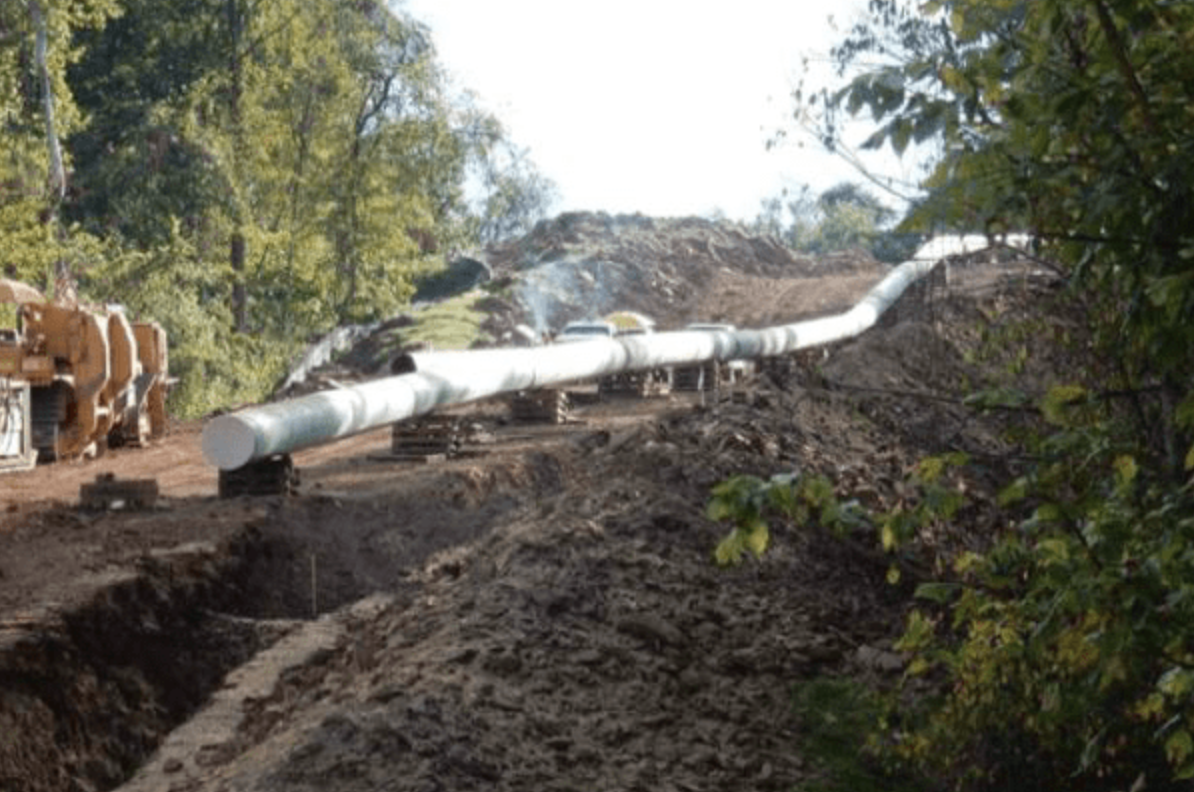
Expansion of GTN Pipeline: In Progress
The GTN Pipeline Expansion (GTN XPress) continues to move forward despite strong opposition from Tribes, states, climate advocates, and community groups across Oregon, Washington, and Idaho. The most recent developments show a clear pattern: federal regulators and courts have allowed construction and expansion to proceed, even as state leaders and environmental organizations push back.
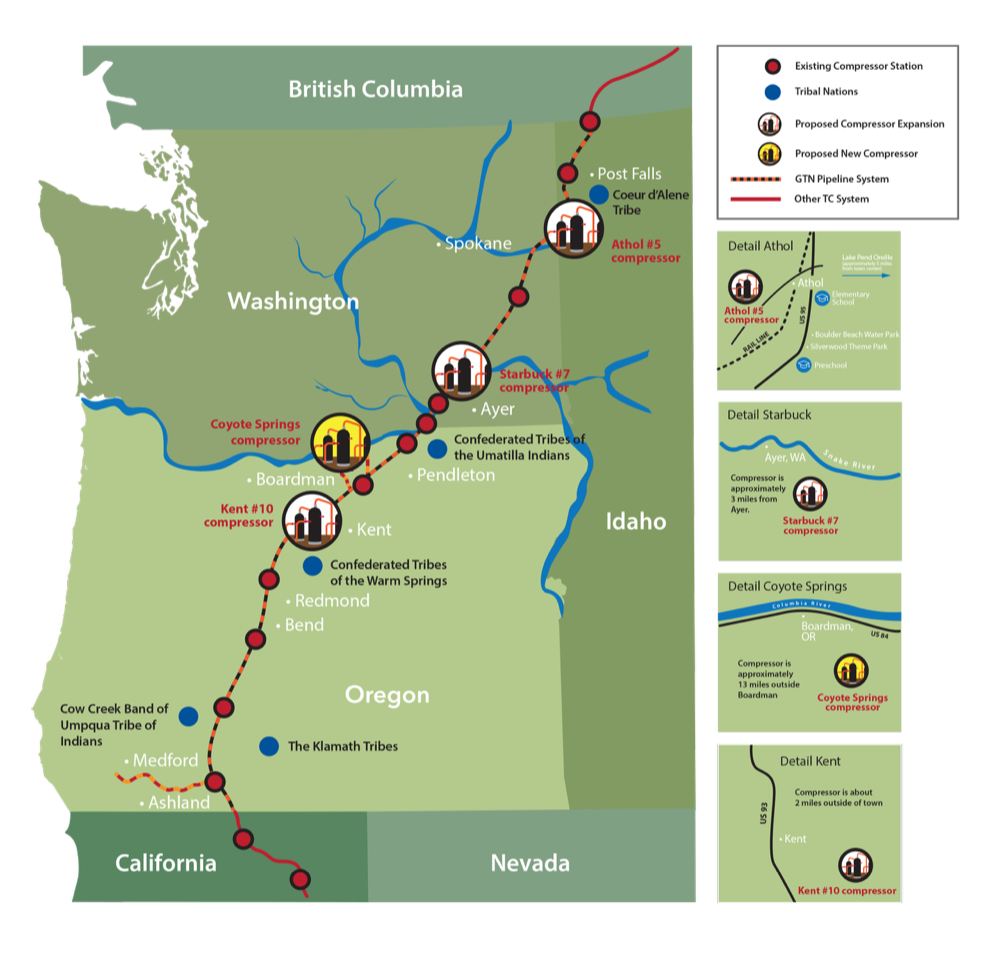
GTN Pipeline: What It Is
Gas Transmission Northwest (GTN) is a 1,353‑mile interstate natural gas pipeline that carries fracked gas from Alberta, Canada, through British Columbia, Washington, Idaho, and Oregon, before connecting into California’s gas system. It was built in 1961 and today moves up to 2.9 billion cubic feet of gas per day, operated by subsidiaries of TC Energy.
GTN Pipeline: Where It Begins and Ends
Starting point: Kingsgate, British Columbia, at the Canada–U.S. border.
Route: Crosses Washington and Idaho, then runs the length of Oregon.
End point: Malin, Oregon, where it connects to California’s Pacific Gas & Electric system.
This means the pipeline cuts directly through the broader homelands of Klamath, Modoc, and Numu peoples and the watersheds that feed into the Klamath Basin.
Recent Developments (2023–2025)
1. Federal regulators approved construction to begin
In April 2024, the Federal Energy Regulatory Commission (FERC) denied petitions from conservation groups and allowed TC Energy to begin construction on the GTN XPress expansion. This decision followed appeals from environmental organizations asking FERC to reconsider.
2. West Coast states formally opposed the expansion
Attorney generals from Oregon, Washington, and California, along with Oregon-based environmental groups, urged FERC to reverse its approval. Their concerns focused on increased greenhouse gas emissions, climate impacts, and conflicts with state-level climate laws.
3. Court ruling cleared the way for expansion
In late 2025, the U.S. 5th Circuit Court of Appeals ruled in favor of TC Energy, allowing the GTN XPress expansion to move forward. Environmental groups and lawmakers across the Northwest criticized the ruling, saying it undermines regional climate goals.
GTN Pipeline: Current Status (2026)
Construction and expansion are legally allowed to proceed.
State-level opposition continues, but federal approval remains in place.
Environmental and Tribal groups are still mobilizing, focusing on public pressure, legal challenges, and state regulatory pathways.
TC Energy is positioning the project as necessary for “energy reliability,” despite regional commitments to transition away from fossil fuels.
What the expansion actually does…
Adds 150 million cubic feet per day of fracked gas capacity into the Northwest.
Upgrades three compressor stations in Oregon, Washington, and Idaho.
Increases the flow of Canadian gas through the 1,377‑mile GTN system.
TC Energy completed related upgrades in 2024 to increase reliability and capacity.
Why Oregon Leaders and Other Tribal Nations Oppose It
Climate impacts: The expansion increases long-term fossil fuel dependence and emissions.
Contradiction with state climate laws: Oregon and Washington have statutory emissions reduction targets that the project undermines.
Safety and community risk: Compressor station expansions raise concerns about leaks, explosions, and methane pollution.
Tribal sovereignty and homelands: The pipeline crosses lands and waters connected to Tribal treaty rights, cultural resources, and First Foods.
Why Klamath, Modoc, and Numu People Need to Care
The GTN system is not just a distant energy project—it is a fossil fuel corridor running through and impacting the lands, waters, and our s?aaMaks that our communities depend on. The proposed GTN XPress expansion would increase the volume and pressure of fracked gas moving through Oregon by adding new compressor station capacity, locking the region into decades more fossil fuel use.
For Klamath, Modoc, and Numu people, this matters because:
Homelands and waters are already under extreme stress. C’waam, Koptu, Wocus, Tules, and our s?aaMaks depend on clean, cold, stable water. Fossil fuel expansion accelerates climate change, deepening drought, warming water, and pushing relatives closer to extinction.
Pipeline expansion increases risks to land and water. Compressor stations and high‑pressure gas lines raise the risk of leaks, explosions, and methane pollution—direct threats to culturally important places and ecosystems.
It undermines Tribal sovereignty and long-term stewardship. Expanding fossil fuel infrastructure across Indigenous homelands without Tribal consent continues a pattern of federal decision-making that ignores treaty rights, cultural resources, and Indigenous-led climate solutions.
It locks the region into decades of harm. Once expanded, GTN would continue transporting fracked gas long past the timelines needed to protect water, salmon, suckerfish, and the future of the Basin.
Learn more about GTN Pipeline Expansion Project:
Project Site Map:
Interactive Natural Gas Infrastructure Map
Gas Transmission Northwest System Map by TC Energy
Informational Instagram Media Graphics:
What is the GTN XPRESS Pipeline?
Tell Wyden and Merkley to Oppose GTN XPress
Additional Project Resources:
Stop GTN XPRESS Fact Sheet
October 2023, Pacific Northwest Gas Pipeline Expansion Approved by Federal Regulators Article
Press Release by Grassroots Coalition, November 2022, Grassroots Coalition Vows to Oppose GTN XPress Fracked Gas Project After FERC Issues A Final Environmental Impact Statement
January 2023 Stop GTN XPress, 3-Minute Video
Rogue Climate Project Presentations:
Gas Transmission Northwest Update & Action Discussion Webinar