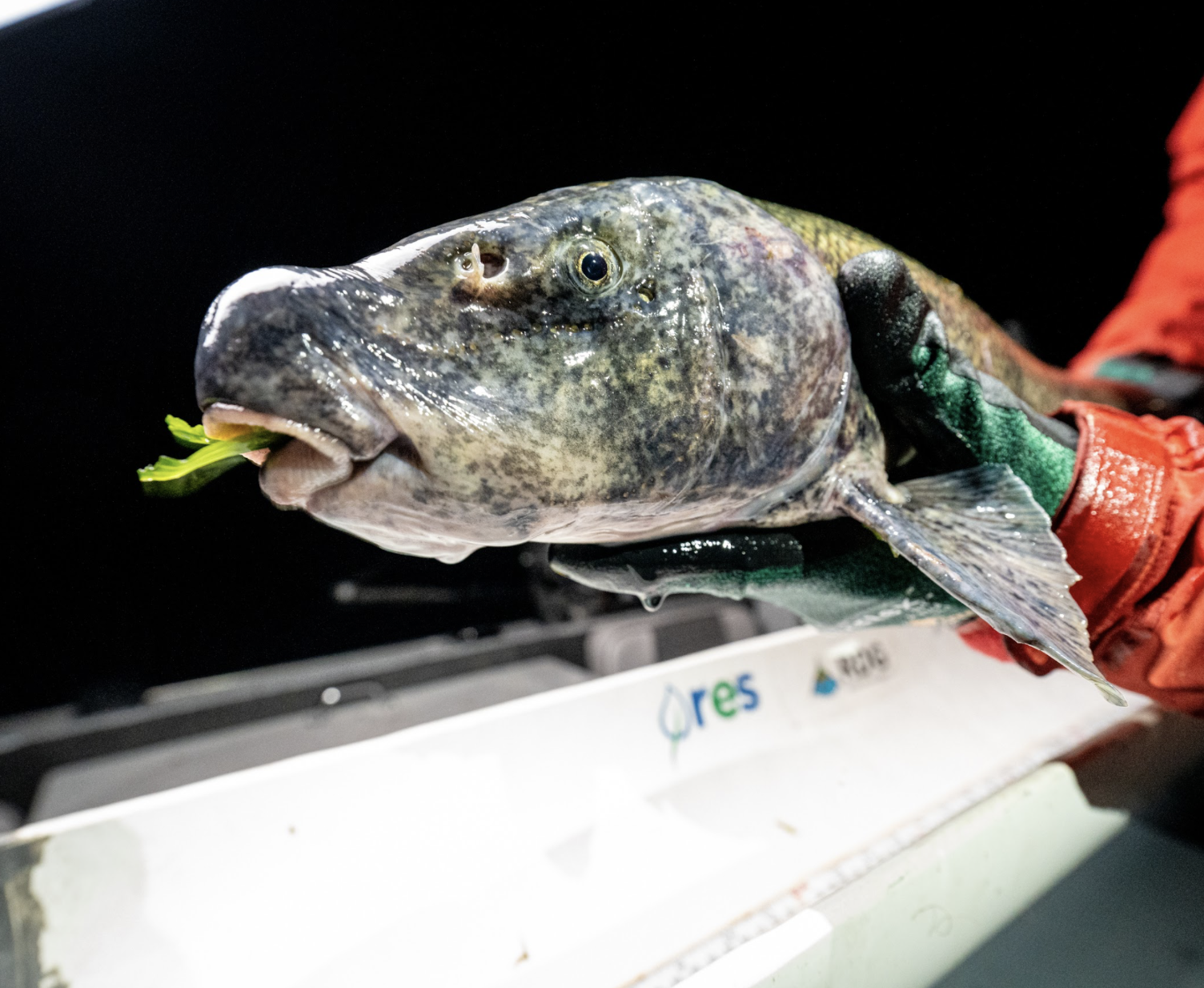
Koptu
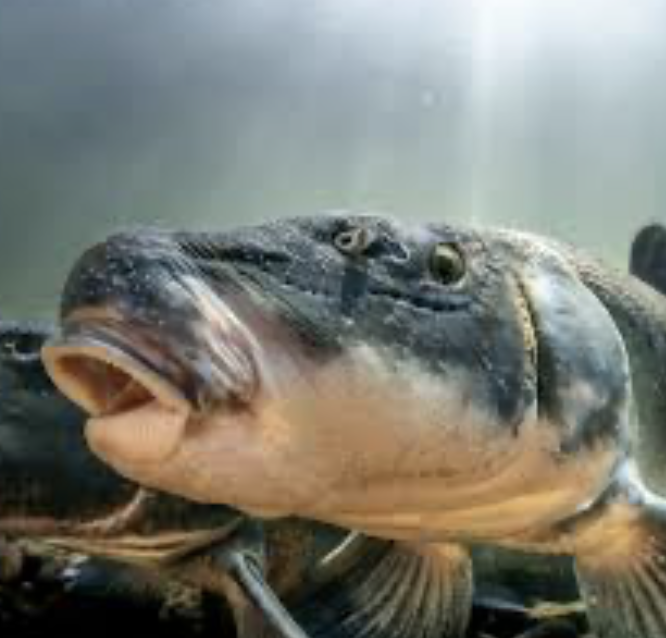
Common name: Shortnose Sucker
Klamath name: Koptu
Cultural role: A close relative and companion to C’waam, Koptu are part of the same teachings about balance, responsibility, and the sacredness of water.
Seasonal presence: Year‑round in the Upper Klamath Basin; spring spawning migrations.
Life Expectancy: 12-14 years old, Koptu alive today are pushing 30–33 years old
Ecological Role
Koptu help regulate algae, recycle nutrients, and support the food web. Their health reflects the condition of the entire lake‑river system.
Koptu rely on cool, deep lake habitats, clean tributaries, and connected river systems. They need steady flows to migrate and clean substrates for spawning. Water clarity and oxygen levels are especially important for their eggs and larvae.
How Water Diversions Harm Koptu
Too little water: Low lake levels concentrate pollutants, warm the water, and reduce oxygen. Tributaries used for spawning become too shallow or disconnected.
Polluted return flows: Nutrient‑rich runoff triggers algae blooms and poor water quality, which suffocates eggs and juveniles.
Rapid flow changes: Sudden drops in water levels expose spawning beds and strand larvae.
Altered hydrology: Loss of wetlands removes natural filtration and cooling, increasing stress on all life stages.
Koptu face the same crisis as C’waam: extremely low juvenile survival, chronic warm water, and degraded spawning habitat. Many adults are aging with few young fish replacing them.
Koptu populations have collapsed from tens of thousands to roughly 1,500–3,000 aging adults, and almost no young fish have survived in more than 25 years. A population made entirely of old fish cannot persist, and without major improvements to water quality and habitat, Koptu will disappear from Upper Klamath Lake. Extinction is 100% guaranteed under current conditions because we have not provided the protection or recovery actions needed for the species to survive.
The decline of Koptu disrupts ceremonies, teachings, and the ability of families to maintain relationships with this food relative. Their absence is felt deeply in community identity and cultural continuity.
Current Conditions of Koptu in the Klamath Basin
Signs of Recovery
Where wetlands are restored and flows improve, water quality stabilizes and juvenile survival increases. These areas show that Koptu can recover when given the conditions they evolved with. Stewardship is both ecological and cultural.
What Koptu Need to Survive
Clean, cold water; restored wetlands; reduced nutrient pollution; stable flows; and protected spawning habitat.